
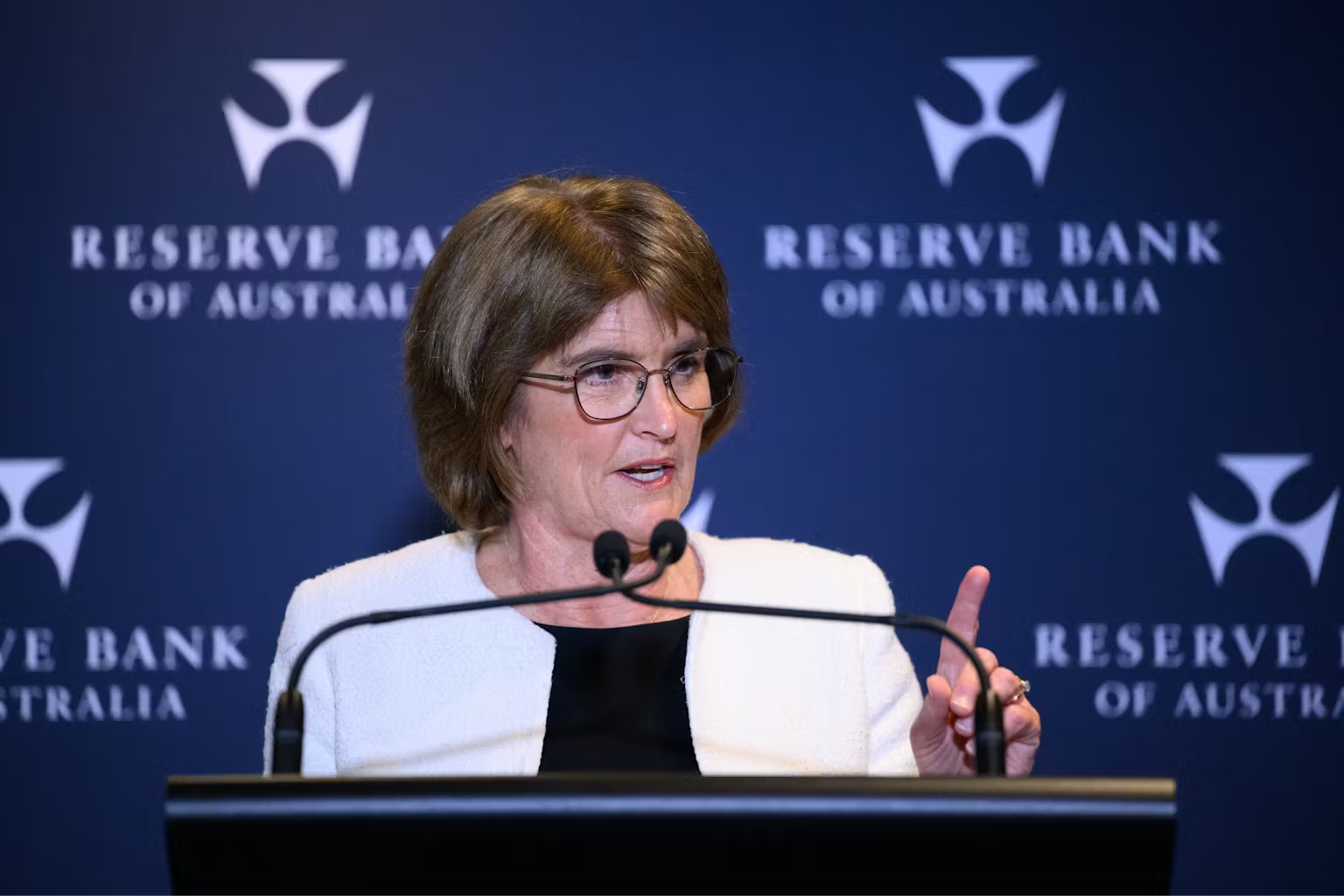
The Reserve Bank of Australia (RBA) has already lifted interest rates twice in 2026, and these moves are reshaping borrowing power, buyer sentiment, and strategy for both owner‑occupiers and property investors.
The latest rate rises in 2026
- On 3 February 2026, the RBA increased the cash rate from 3.60% to 3.85%, a 0.25 percentage point rise.
- On 17 March 2026, the RBA lifted the cash rate again by 0.25 percentage points to 4.10%, marking the second hike in two months.
These back‑to‑back hikes signal that monetary policy has shifted back into tightening mode after a period of stability and earlier cuts.
Why interest rates are increasing
The RBA’s primary reason for lifting rates is to bring inflation back within its 2–3 per cent target band after it picked up again in late 2025. Headline inflation was running at about 3.8 per cent in the year to January, with services and housing‑related costs remaining particularly sticky.
Key forces behind the rate rises include:
- Stronger‑than‑expected inflation data, with prices re‑accelerating in the second half of 2025 after earlier progress.
- Rising rents, insurance and energy costs, which have all contributed to ongoing cost‑of‑living pressures.
- A still‑tight labour market and robust consumer demand, which risk keeping inflation higher for longer if not cooled.
- Global uncertainty, including conflict in the Middle East, which has added to inflation and risk concerns for central banks.
In short, the RBA is using higher rates as a brake on demand so that inflation can return sustainably to target.
Impact on the property market
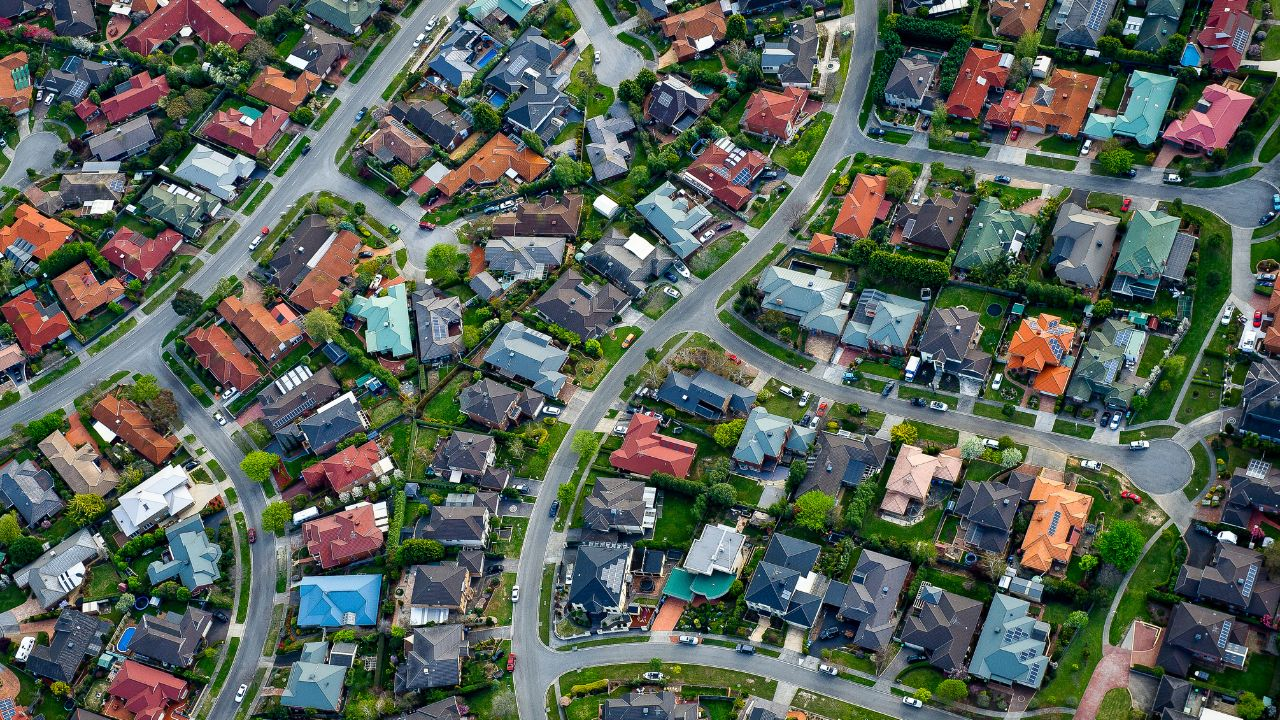
Higher interest rates flow quickly into variable mortgage rates and new fixed‑rate offers, directly reducing how much buyers can borrow. That means many households now face higher monthly repayments on existing loans and lower borrowing capacity when applying for finance.
Market impacts we’re already seeing or expecting include:
- Slower price growth rather than a sharp correction: Rising rates are likely to temper demand and cool the pace of price gains, especially in already expensive capital‑city markets.
- Shift in buyer segments: More buyers may “trade down” from mid‑tier homes to more affordable properties, including urban fringe and regional areas close to major cities.
- Lower transaction volumes: Some would‑be sellers may hold off listing, and some buyers will pause plans, which can reduce turnover even if prices remain relatively resilient.
- Supply‑demand tension: Tight rental markets, population growth and constrained new housing supply are likely to put a floor under prices despite higher rates.
For a Melbourne‑based real estate business, this environment is likely to produce a more balanced market: fewer aggressive price surges, but also no guaranteed broad‑based falls given ongoing supply constraints.

What it means for owner‑occupiers
For people looking to buy a home to live in, the recent rate hikes change both affordability and strategy.
Key considerations for owner‑occupiers:
- Reduced borrowing capacity: Lenders use higher assessment rates (“stress tests”), so many buyers will qualify for smaller loan amounts than they did in 2025.
- Higher monthly repayments: Each 0.25 percentage point increase adds to repayments, particularly on larger loans in capital‑city markets like Melbourne.
- Tighter budgeting and buffers: It is now more important to leave room in the household budget for further potential rate rises, unexpected costs and lifestyle spending.
- More focus on value over peak price: In a slower market, owner‑occupiers may be able to negotiate more strongly on properties that need work or have been listed for longer, while still facing competition for well‑located, turn‑key homes.
Practical tips for would‑be homebuyers:
- Speak with a mortgage broker or lender early to understand your new maximum borrowing capacity under current rates.
- Build in a buffer by modelling repayments at rates 1–2 percentage points above today’s level.
- Be flexible on suburbs and property types; considering townhouses, units or fringe suburbs can help you stay within budget while still achieving your lifestyle goals.

Impact on property investors
Investors face a different mix of challenges and opportunities as rates rise.
Pressure points for investors:
- Higher interest costs and lower cash flow: Rising loan repayments can compress rental yields, especially for highly leveraged investors.
- Tighter serviceability tests: Higher assessment rates may make it harder to secure additional investment loans or refinance existing facilities.
- Potential for some portfolio reshuffling: Investors with marginal cash flow may look to sell underperforming assets or consolidate into fewer, higher‑quality properties.
However, there are also supportive factors:
- Tight rental markets and low vacancy rates are helping to underpin rental growth, as strong population gains and limited new supply keep pressure on rents.
- Ongoing housing supply shortages, along with higher construction and insurance costs, are constraining new stock and supporting the medium‑term value of well‑located existing properties.
For investors, the focus in 2026 is likely to shift from chasing rapid capital gains to prioritising sustainable cash flow, strong tenant demand, and asset quality. Carefully selecting properties in areas with solid employment bases, infrastructure investment and tight rental supply can help offset the headwinds of higher interest costs.